Health × Green Innovation Day: Resilient Systems, Smarter Care

What does it take to fix a healthcare system that's stretched thin by rising costs, carbon footprints, fragmented patient journeys, and ageing infrastructure?
Healthcare is under growing pressure to do more with less: treat more patients, produce less waste, connect more institutions, and consume less energy. Technology and innovation have been accelerating parts of this shift, but real progress continues to depend on collaboration between clinicians, researchers, architects, hospital operators, and the communities they serve. This is where the conversation between systems and care truly begins.
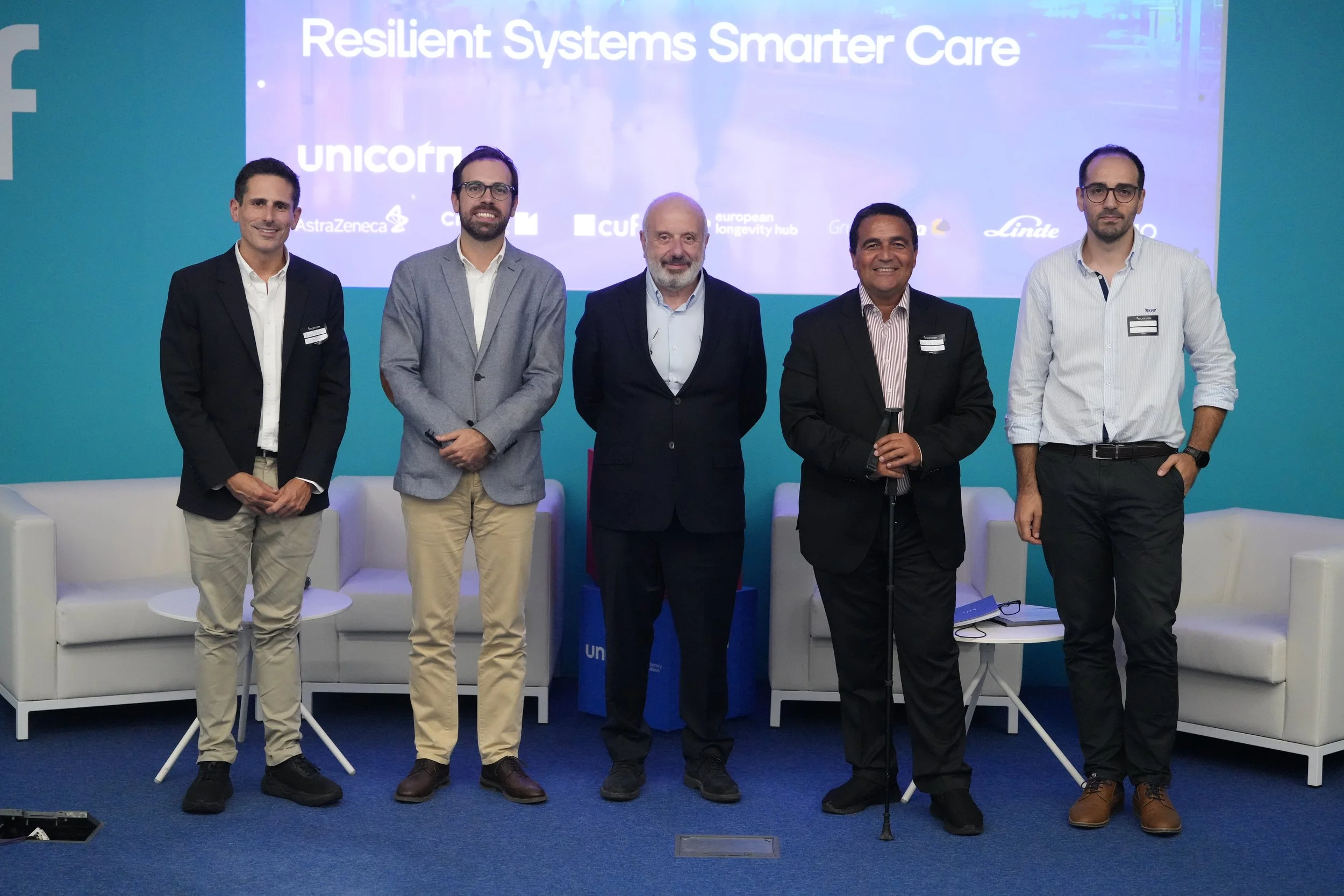
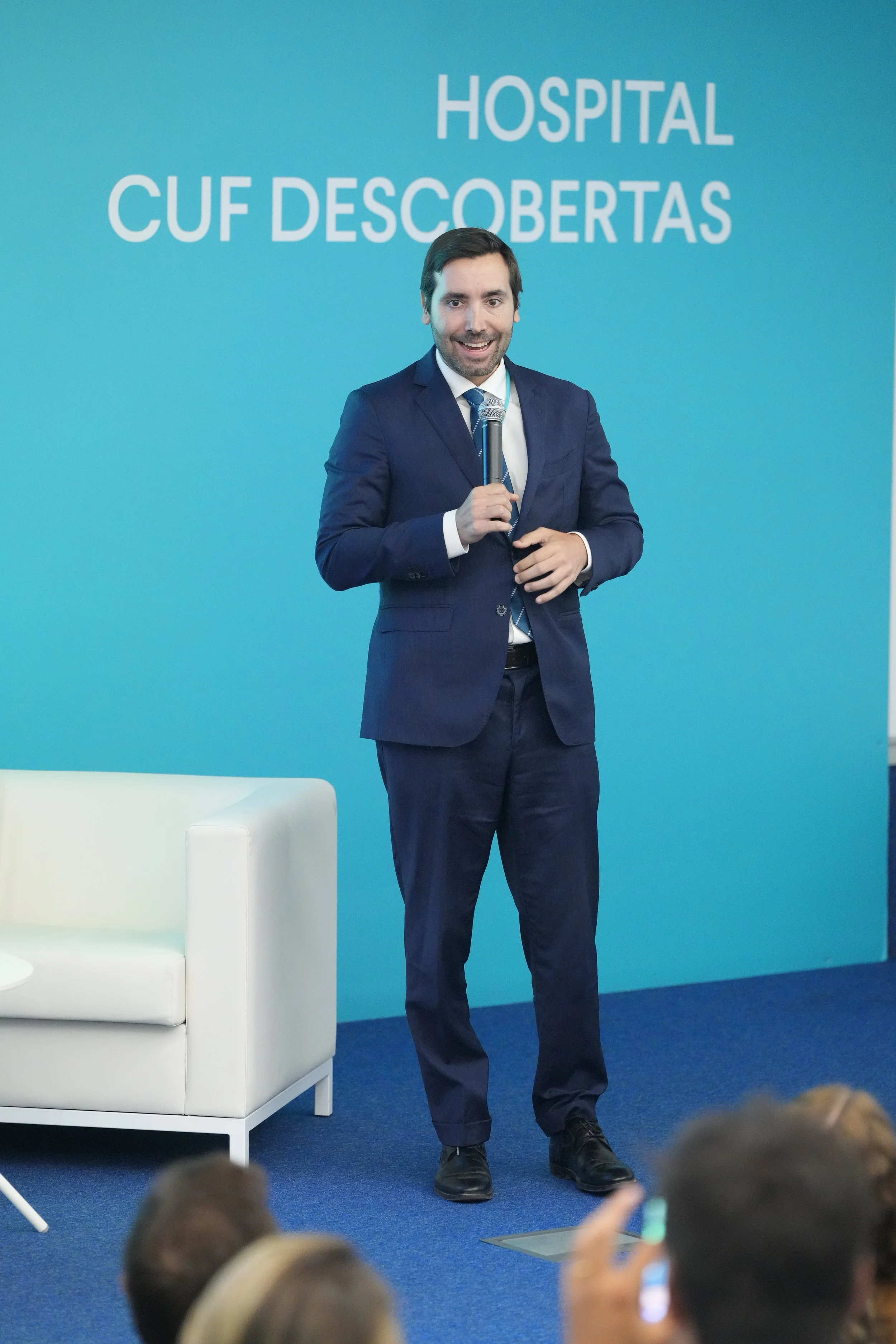
It was precisely to discuss these challenges, and the solutions already gaining ground, that healthhub and greenhub by Unicorn Factory Lisboa organized Health × Green Innovation Day, bringing together researchers, clinicians, patient advocates, mobility leaders, energy innovators, and hospital operators for an afternoon of honest, high-impact conversation, on July 1st.
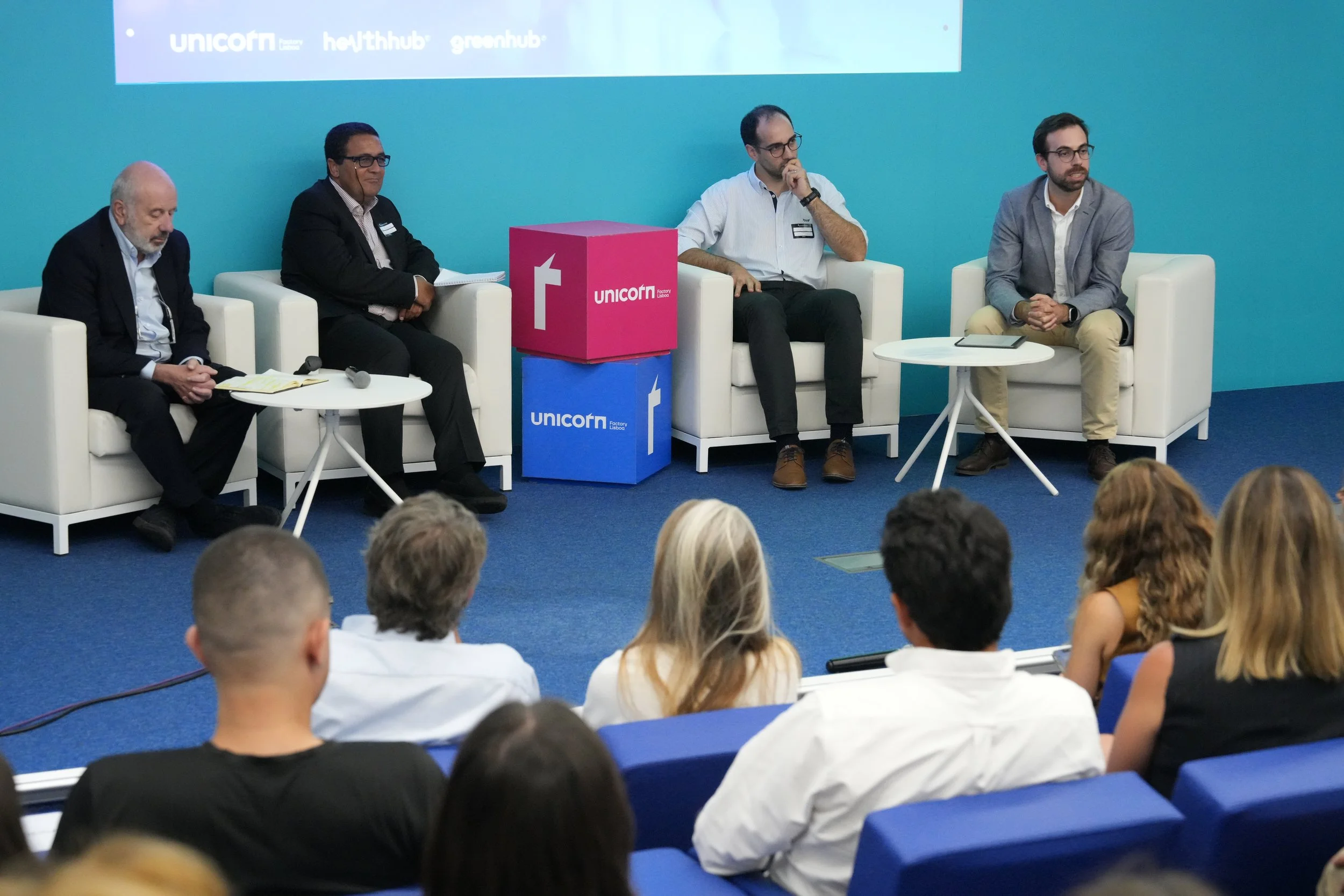
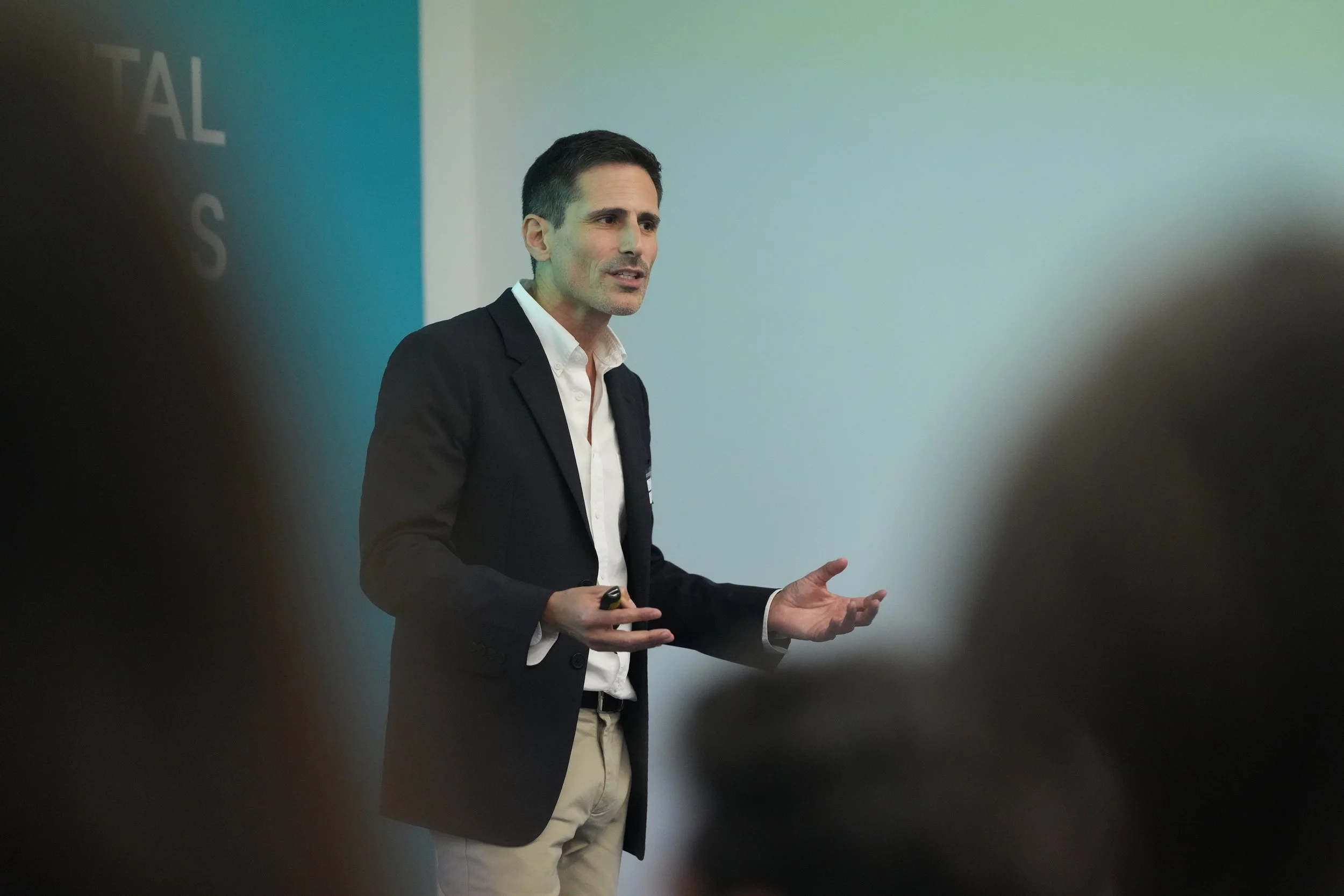
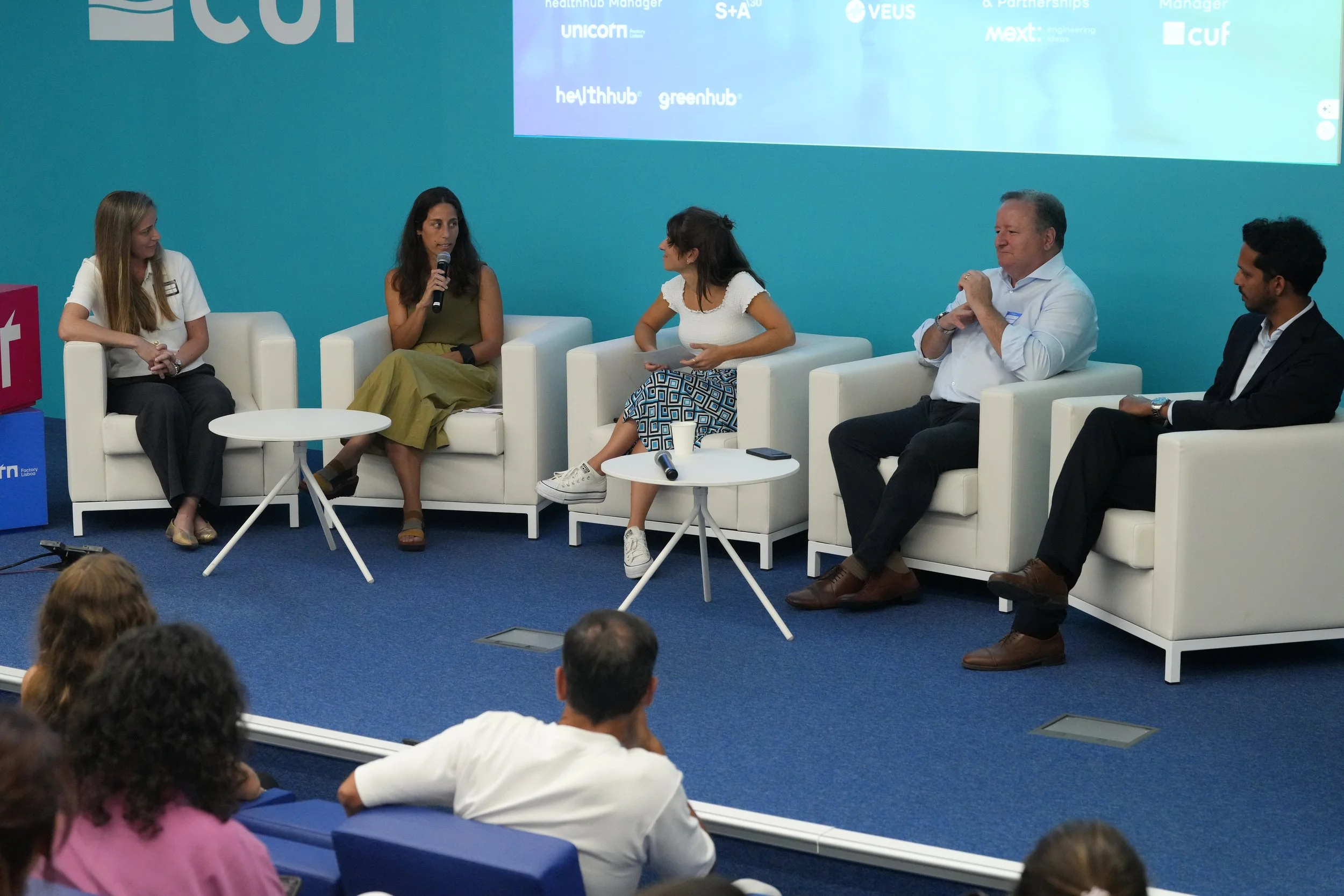
At the event, André Valente (Champalimaud Foundation) opened with a keynote on how clinicians, patients, and research can flow through the same space, drawing on the Champalimaud Foundation's landmark building as a real-world example of what ESG-driven design and urban planning can do for the patient experience. At the roundtable on the patient journey and access to healthcare, Luís Campos (Conselho Português da Saúde e Ambiente), Paulo Gonçalves (Rare Diseases National Alliance Pt), and Sérgio Pereira (Critical Software), moderated by Manuel Talhinhas (Associação Nacional de Farmácias), explored how access to care is being redefined across patient communities and clinical networks alike. In the debate that followed, Joana Peres (Saraiva + Associados), Marcelo Botelho (VEUS Saúde), Teresa Graça (Mota-Engil Next), and Daniel Rodrigues (CUF) got into the nuts and bolts of energy efficiency, waste management, and emissions reduction, sharing perspectives from private hospitals, public health units, and the construction sector.
The afternoon closed with an open mic session, where participants took the stage to introduce themselves and their work, followed by networking across the health and sustainability ecosystems.
Health × Green Innovation Day made clear that healthcare's biggest obstacles aren't technological, they're systemic: buildings designed without their users in mind, data that doesn't move between institutions, energy wasted in infrastructure that was outdated from the start. The conversation between architecture, clinical practice, research, and community made one thing obvious: fixing the future of healthcare means first fixing how these worlds talk to each other, and how they use the resources around them.
When asked what the hospital of the future will look like, Teresa Graça (Head of Ecosystem & Partnerships at Mota-Engil Next) put it simply:
"The hospital of the future will have structures that are self-sufficient, that use green energy, produce less waste, and consume less. It will be an ecosystem that brings together all the players and the infrastructure, where education, research, and operations all work together, for the community."
That's the challenge ahead: keep bringing together the people who build, the people who care, and the people who live the system, so that this vision becomes the standard, not the exception.
If you'd like to be part of the conversations shaping the future, stay tuned for upcoming events on our social media channels.